Treatment of High-Salinity Wastewater
High-salinity wastewater is wastewater with a total salt concentration of at least 3.5%. This type of wastewater mainly originates from industries such as chemical manufacturing and oil and gas extraction and processing. It contains dissolved inorganic salt ions such as Cl⁻, SO₄²⁻, Na⁺, and Ca²⁺. The generation of high-salinity wastewater is very common, with complex and diverse compositions. High salt content significantly inhibits bacterial growth, making the treatment of high-salinity wastewater particularly difficult. Therefore, this is a major focus and a challenging area in wastewater treatment research.
Examples of Process Combinations:
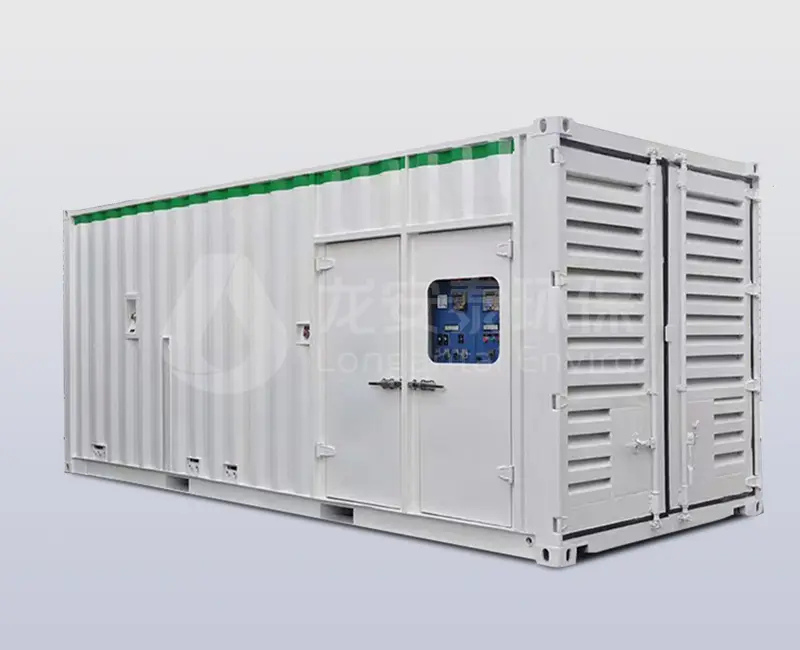
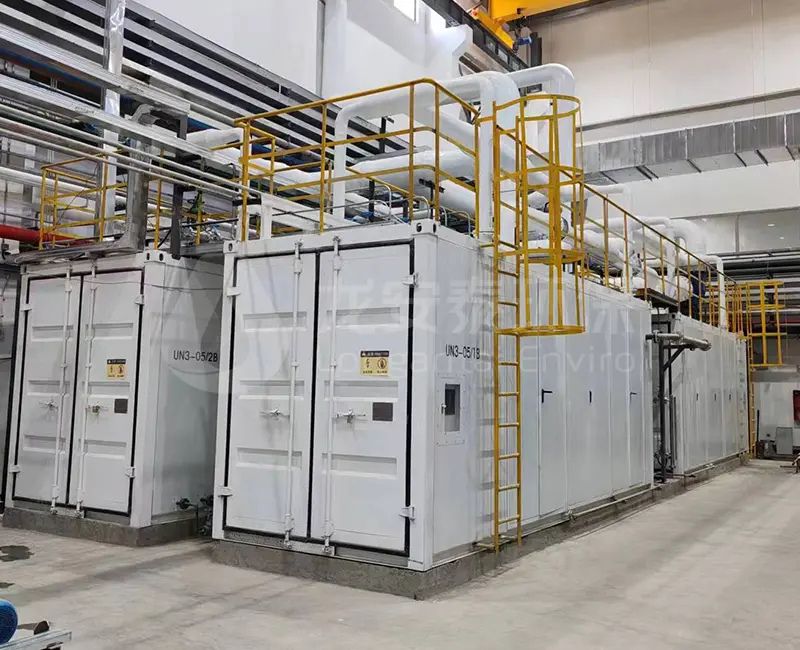
High Salinity Wastewater + Ozone Catalytic Oxidation (LCO) Technology + Membrane Technology
High Salinity Wastewater + Electrocatalytic Oxidation (LEC) + MVR
Technological Advantages:
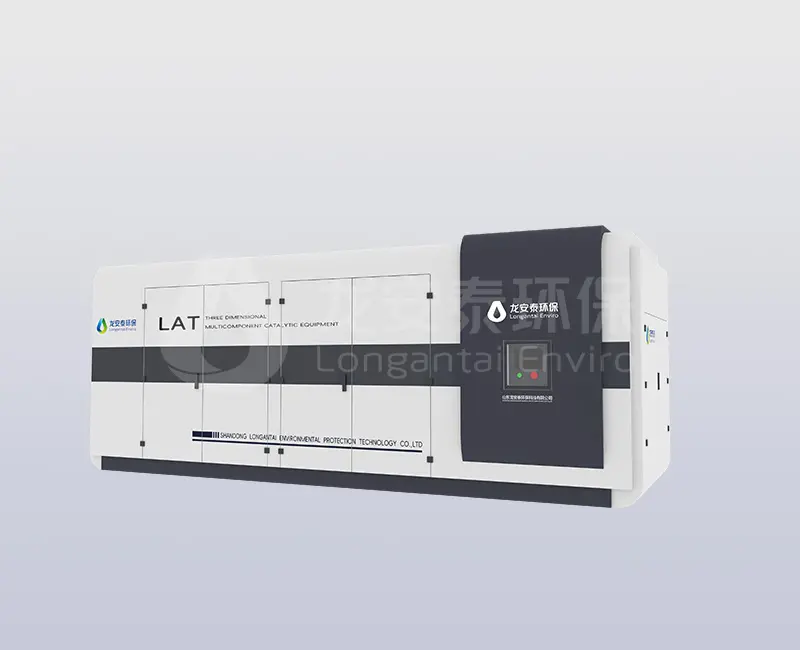
Ozone Catalytic Oxidation (LCO): This process uses catalytic oxidation to deeply oxidize wastewater, effectively decolorizing it and reducing its Chemical Oxygen Demand (COD). By reducing the pollutant load, it reduces the pressure on subsequent membrane treatment processes. Furthermore, this method does not generate secondary pollution, making it a clean and environmentally friendly technology.
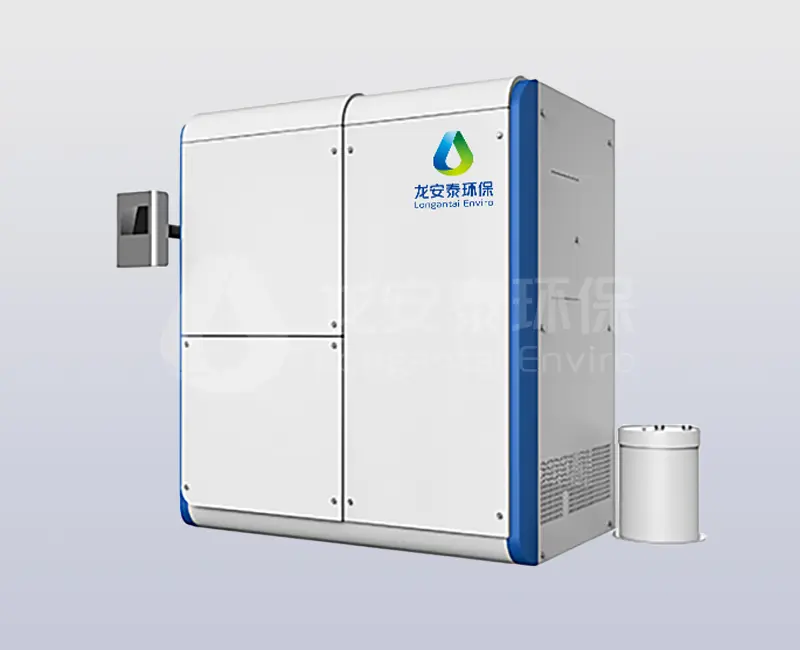
LEC Electrocatalytic Oxidation: This process directly treats wastewater through electrocatalytic oxidation, significantly reducing the concentration of organic pollutants. It ensures the production of pure salt, with the treatment process consuming only electrical energy and not generating sludge. This makes it a new and efficient catalytic oxidation technology.
See more related technologies: